
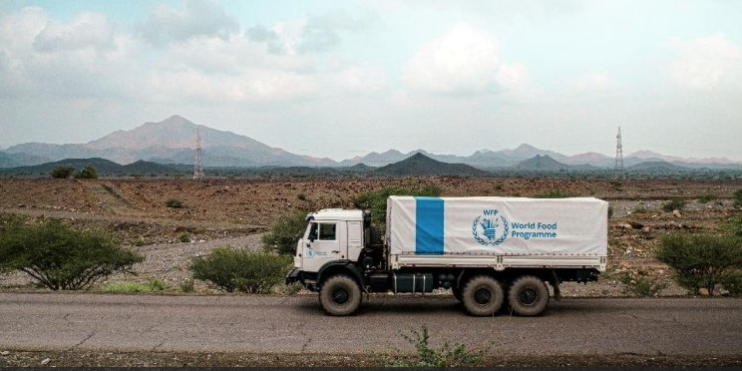
Khartoum, Sudan – Sudanese civil society organizations have warned that anticipated cuts to World Food Programme (WFP) assistance could push millions of vulnerable people deeper into hunger, as communities across the country continue to grapple with conflict, displacement, economic hardship, and soaring food prices.
The groups said many vulnerable families remain heavily dependent on food aid as conflict, displacement, and economic hardship continue to affect large parts of Sudan. They cautioned that any reduction in assistance would come at a time when humanitarian needs are already at critical levels.
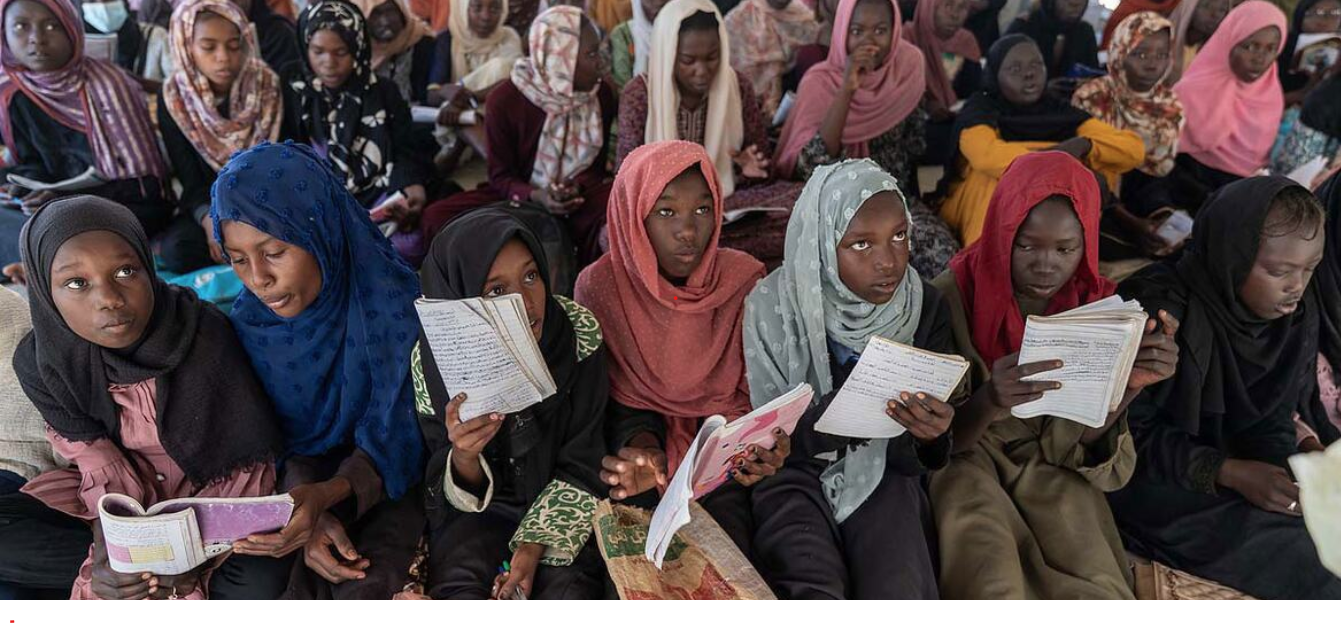
According to aid advocates, millions of Sudanese are struggling to access sufficient food, with many communities surviving on humanitarian support following months of violence and instability. Continued displacement has further disrupted livelihoods and limited people’s ability to support themselves.
Humanitarian organizations noted that food insecurity has been aggravated by rising market prices, reduced agricultural production, and the destruction of essential infrastructure in conflict-affected areas. The combined impact has left countless households vulnerable to hunger.
Civil society leaders warned that cuts to food assistance could have serious consequences for children, pregnant women, older people, and other at-risk groups who rely on aid distributions to meet their basic nutritional needs.
Several organizations urged international donors to maintain and increase support for humanitarian operations in Sudan, emphasizing that food assistance remains a lifeline for millions of people affected by the ongoing crisis.
The groups stressed that hunger levels could rise significantly if funding shortages force aid agencies to scale back food distributions. They argued that reducing assistance now could reverse humanitarian gains achieved through emergency relief efforts.
Aid workers also highlighted the growing challenges facing families in both urban and rural areas, where access to employment opportunities, markets, and essential services remains limited due to insecurity and economic decline.
Humanitarian advocates called for stronger international engagement to address both immediate food needs and the longer-term factors driving food insecurity. They said sustained investment in agriculture, livelihoods, and community resilience would be crucial to future recovery.
The organizations further appealed to Sudanese authorities, humanitarian agencies, and development partners to strengthen coordination and ensure available resources reach the most vulnerable populations efficiently and transparently.
As concerns over potential funding shortfalls continue to grow, Sudanese organizations are warning that any reduction in WFP-supported assistance could push more families into hunger, underscoring the urgent need for continued international support to prevent further deterioration of the humanitarian situation.