
October 25, 2026.
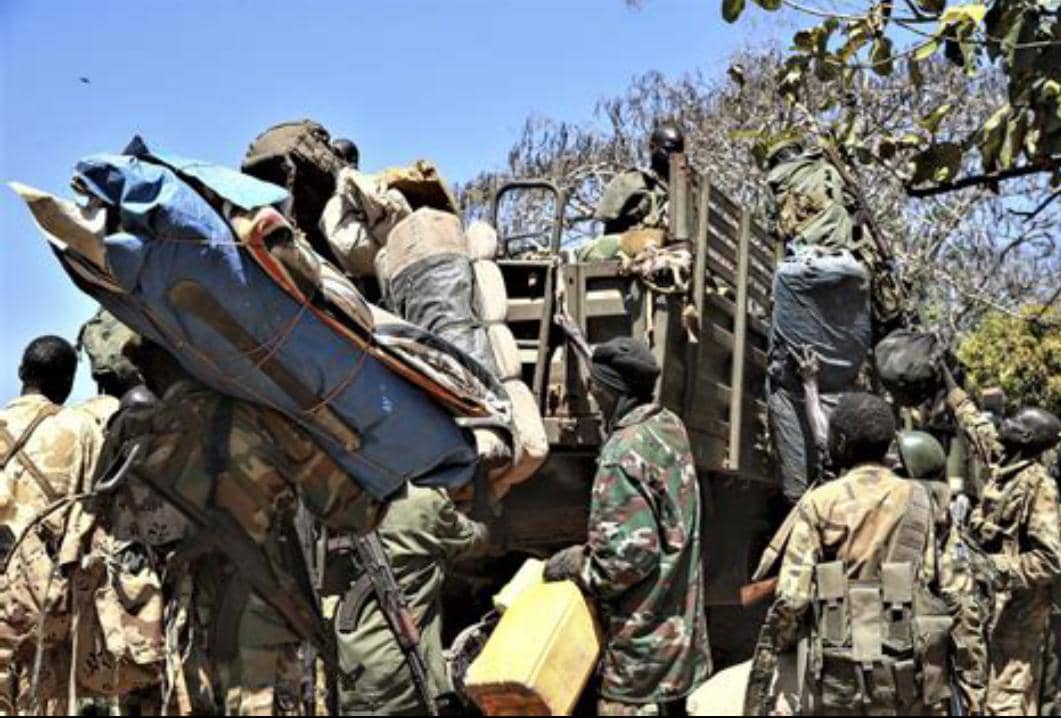
More than three years after war erupted in Sudan, communities across South Sudan’s northern border are living with the consequences. What began as a conflict in a neighboring country has evolved into a humanitarian and development challenge that is increasingly shaping daily life in Renk, Ruweng Administrative Area, Abyei, and Northern Bahr el Ghazal.
The scale of displacement is significant. According to the United Nations High Commissioner for Refugees (UNHCR), South Sudan was hosting 623,849 Sudanese refugees as of 30 September 2026, representing approximately 94.6 percent of all refugees and asylum seekers in the country. Those figures highlight the magnitude of a crisis that continues to place pressure on communities already facing substantial economic and humanitarian challenges.
Renk County remains one of the principal gateways for people fleeing the conflict. Humanitarian agencies have expanded emergency operations, yet demand for shelter, healthcare, food assistance, clean water, transportation, and protection services remains high. Every new arrival requires support, while local systems that serve host communities are expected to absorb additional pressure.
The effects are not limited to major reception areas. In the Ruweng Administrative Area, communities are also experiencing the broader impact of cross-border population movements. While Ruweng is not among the largest refugee-hosting locations, its proximity to Sudan means instability across the border often carries direct consequences for local residents. Increased pressure on services, livelihoods, and community resources is becoming part of the region’s reality.
Similar challenges are visible in Abyei and Northern Bahr el Ghazal, where schools, health facilities, water systems, and humanitarian programs are serving growing populations. Host communities have largely responded with generosity despite facing hardships of their own. However, goodwill alone cannot sustain services when resources remain limited and needs continue to grow.
A Crisis Within a Crisis
What makes the situation particularly concerning is that South Sudan is attempting to respond to this displacement crisis while confronting its own humanitarian challenges.
According to assessments from the United Nations Office for the Coordination of Humanitarian Affairs (OCHA) and the Integrated Food Security Phase Classification (IPC), millions of South Sudanese continue to face food insecurity and humanitarian needs associated with displacement, economic hardship, climate shocks, and limited access to essential services.
This places the country in a difficult position. Policymakers, humanitarian organizations, and local authorities must simultaneously support refugees, returning South Sudanese citizens, and vulnerable host communities. The challenge is not merely managing population movements. It is ensuring that already strained public services do not deteriorate further under growing demand.
Why Border Communities Matter
Too often, discussions about displacement focus exclusively on those arriving. Yet the condition of host communities is equally important.
When schools become overcrowded, healthcare facilities face larger caseloads, and water systems serve more users than originally intended, the effects are felt by everyone. Communities that receive displaced populations need support that matches the scale of the responsibilities they carry.
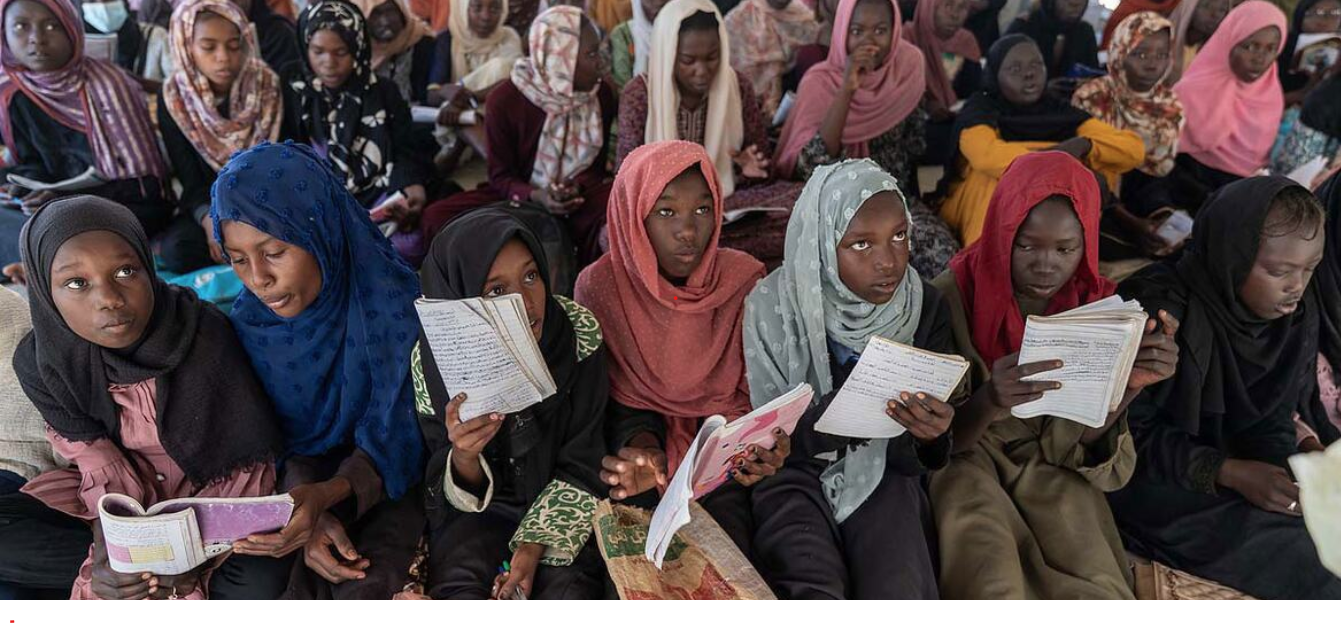
Women and children make up a substantial portion of displaced populations and remain among those most dependent on humanitarian assistance. Continued investment in healthcare, education, protection services, and livelihoods support will therefore remain essential, not only for refugees and returnees but also for the communities hosting them.
The economic implications should not be overlooked either. Increased demand can stimulate local markets and create opportunities for business activity. However, without adequate investment and planning, it can also place additional pressure on food supplies, housing, public infrastructure, and already limited resources.
The Risks of Prolonged Displacement
The greatest concern may not be the current influx itself, but the possibility that it will continue for years.
Humanitarian agencies warn that prolonged displacement can place sustained pressure on healthcare systems, schools, water infrastructure, and humanitarian programs. Experience from other displacement crises shows that emergency assistance alone rarely provides a lasting solution.
Over time, communities require stronger public services, expanded infrastructure, livelihood opportunities, and economic investment. Without those longer-term interventions, temporary humanitarian challenges can evolve into chronic development problems.
Food security is another major concern. South Sudan already faces significant humanitarian needs. Continued population movements may increase demand for food assistance and other support programs at a time when humanitarian funding is under pressure globally.
Beyond Emergency Relief
In my view, the response to the Sudan crisis cannot rely solely on emergency humanitarian assistance.
A more sustainable approach should combine immediate relief with long-term investments in healthcare, education, water systems, agriculture, roads, and livelihoods. Border communities need resilience, not just emergency support.
Supporting agricultural production, expanding vocational training opportunities, and strengthening local economies could help communities absorb population growth more effectively. Likewise, reintegration support for South Sudanese returnees can help reduce long-term dependence on humanitarian assistance.
International donors also have an important role to play. South Sudan cannot be expected to shoulder the consequences of a regional crisis without continued financial and technical support from humanitarian and development partners.
Equally important is ensuring that assistance reaches both displaced populations and host communities. When support is distributed fairly, communities are better positioned to maintain social cohesion and avoid tensions over scarce resources.
Looking Ahead
For communities in Renk, Ruweng, Abyei, and Northern Bahr el Ghazal, the Sudan conflict is no longer a distant event unfolding across an international border. It has become part of everyday life, affecting schools, healthcare services, livelihoods, infrastructure, and humanitarian operations.
South Sudan’s willingness to host refugees and assist returning citizens reflects a commendable humanitarian commitment. Yet sustaining that commitment will require continued support from national authorities, international donors, humanitarian agencies, and development partners.
Ultimately, lasting relief for affected communities will depend not only on humanitarian assistance but also on progress toward peace and stability in Sudan. Until that happens, South Sudan’s northern border regions will continue to shoulder much of the burden of a conflict they did not create.
By Paulino Manyiel
References
1. Country – South Sudan, UNHCR Data Portal (Data Date: 30 September 2026).
2. Monthly Refugee & Asylum Seekers Statistical Dashboard – September 2026, UNHCR South Sudan (Published: 15 October 2026).
3. Renk Humanitarian Situation and Operational Update (January-June 2026), UNHCR South Sudan (Published: 20 October 2026).
4. South Sudan Humanitarian Snapshot – October 2026, United Nations Office for the Coordination of Humanitarian Affairs (OCHA).
5. South Sudan Humanitarian Update – September 2026, OCHA South Sudan.
6. IPC South Sudan Acute Food Insecurity Analysis 2026, Integrated Food Security Phase Classification (IPC), Government of South Sudan, and Humanitarian Partners.
Editorial Note
This opinion article is informed by publicly available humanitarian data and assessments published by UNHCR, OCHA, and IPC during 2026. The opinions expressed are those of the author, while information is drawn from the sources listed above.