

Peace is not the government’s responsibility alone. It is a national duty that belongs to every South Sudanese.
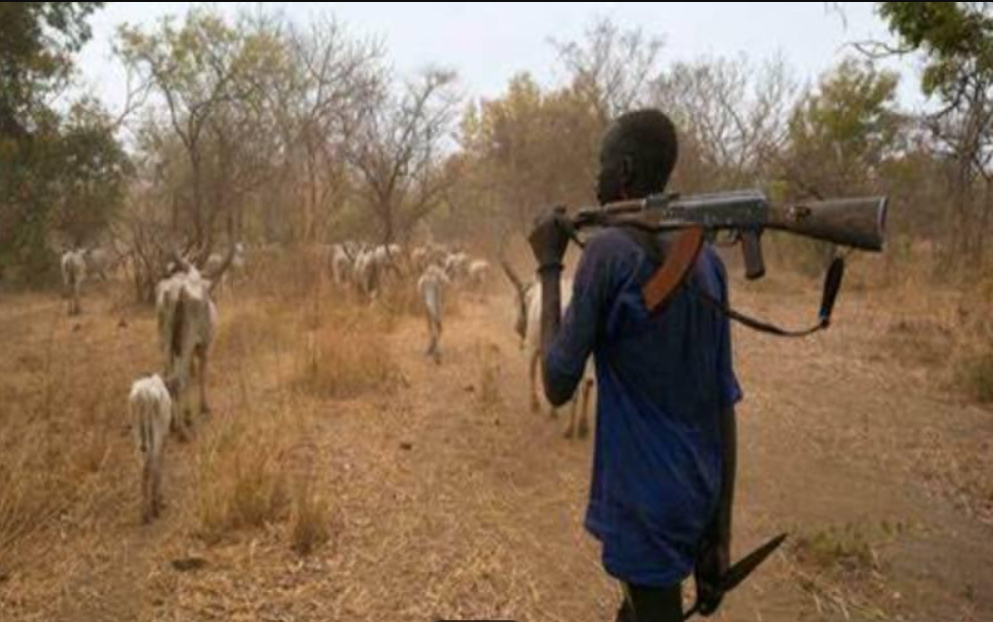
How many more children must be orphaned before South Sudan chooses peace over conflict? It is a question that grows more urgent with every life lost to communal violence, cattle raiding, revenge attacks, and insecurity.
Fifteen years after independence, South Sudan stands at a defining moment in its history. While the country achieved the political goal of self-determination in 2011, the promise of peace, stability, and development remains unfinished. Across the nation, recurring cycles of violence continue to claim lives, weaken social cohesion, and divert attention from the urgent task of nation-building.
The question before us is no longer who is responsible. The question is whether South Sudanese are prepared to accept a shared responsibility for ending the violence that continues to hold the nation back.
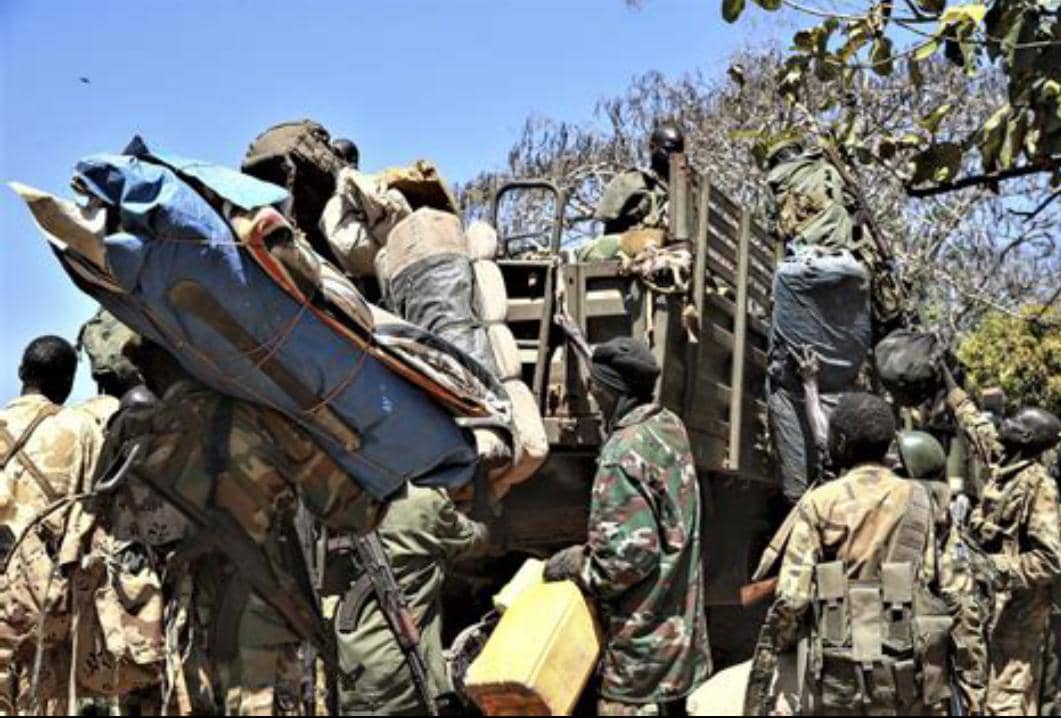
Since independence, South Sudan has endured civil war, intercommunal violence, cattle raiding, revenge attacks, and recurring insecurity. A study by the London School of Hygiene & Tropical Medicine, commissioned by the United States Institute of Peace, estimated that approximately 383,000 people died as a consequence of the civil war between December 2013 and April 2018 alone. The estimate includes both direct violent deaths and indirect deaths caused by hunger, disease, displacement, and the collapse of essential services. Researchers also noted that no comprehensive national accounting exists for all conflict-related deaths since independence. 123
These are not merely statistics. They represent fathers and mothers, sons and daughters, community leaders, and future generations whose lives were cut short by violence or its consequences. Behind every number is a grieving family, an interrupted future, and a stark reminder of the cost of conflict.
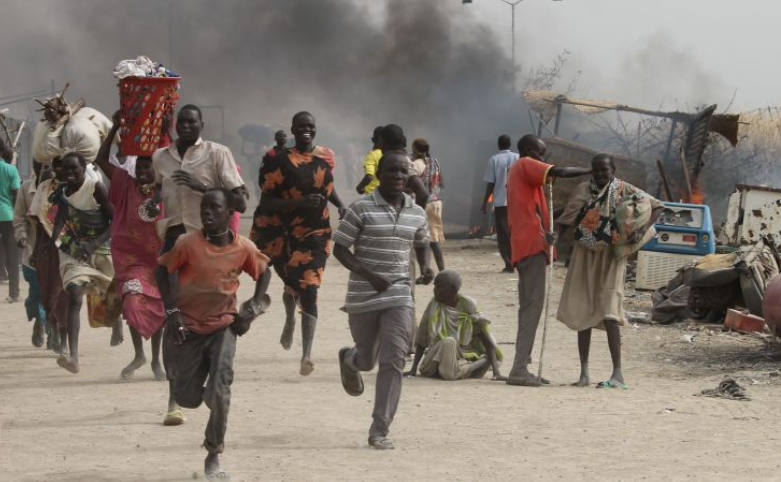
Today, intercommunal violence remains one of the greatest barriers to South Sudan’s progress. Communities continue to clash over cattle, land, resources, and longstanding grievances. Villages are attacked, livelihoods are destroyed, and innocent civilians, particularly women and children, often bear the heaviest burden. According to the United Nations Mission in South Sudan (UNMISS), communal violence remains a major driver of civilian casualties across the country. 4
For too long, many South Sudanese have looked exclusively to the government whenever violence erupts. Certainly, the government bears the constitutional responsibility to provide security, uphold the rule of law, and protect citizens. Yet peace cannot be legislated into existence, nor can reconciliation be imposed by decree. Sustainable peace requires the active participation of communities themselves.
No government can force neighbors to trust one another.
No security operation can substitute for reconciliation.
No development plan can succeed where violence continues to destroy lives and livelihoods.
This is an uncomfortable truth, but it is one the nation must confront. Violence has not brought prosperity. It has not improved education, strengthened healthcare, created employment, or expanded economic opportunities. Instead, it has deepened poverty, displaced families, weakened social cohesion, and consumed resources that could have been invested in development.
Perhaps the most painful reality is that no community has emerged victorious. Whether conflict is described as cattle raiding, retaliation, communal violence, or political confrontation, the outcome remains the same: more graves, more widows, more orphans, and more lost opportunities. Every life lost is a loss for the entire nation.
South Sudan can draw lessons from countries that overcame periods of violent division through dialogue, reconciliation, and institution-building. Their progress began when citizens and leaders alike recognized that peace was not solely the responsibility of governments. It was a collective national commitment.
That responsibility extends beyond government institutions. Traditional leaders, chiefs, elders, religious leaders, women, youth, and civil society all have critical roles to play. For generations, elders helped resolve disputes before they escalated into violence. Today, their moral authority and leadership are needed more than ever.
The government cannot achieve peace alone, just as communities cannot achieve security through violence. The killing of innocent civilians, especially women and children, can never be justified. No political grievance, cultural practice, or local dispute should excuse the taking of innocent lives.
Since 2011, South Sudan has paid a heavy price for conflict and division. Millions have been displaced. Communities have been fractured. Valuable years that could have been devoted to development have instead been consumed by instability. While other nations have focused on strengthening institutions and creating opportunities for their citizens, South Sudan has too often remained trapped in cycles of violence that benefit no one.
History will not judge this generation by the conflicts it inherited. It will judge us by whether we found the courage to end them. Future generations will ask whether we chose unity over division, peace over revenge, and nation-building over destruction.
The answer depends on the choices we make today.
South Sudan’s future will not be secured through cattle raids, revenge attacks, communal violence, or political confrontation. It will be secured through reconciliation, accountability, justice, dialogue, and a shared commitment to the common good.
The time has come to turn the page.
The time has come to behave as one nation.
The time has come for citizens, elders, political leaders, religious leaders, women, and youth to stand together and reject violence in all its forms.
South Sudan cannot afford another lost generation.
The writer is a South Sudanese commentator on governance, peacebuilding, conflict resolution, and political affairs. A member of the Sudan People’s Liberation Movement (SPLM), he advocates for peaceful political engagement, democratic governance, accountable leadership, institutional reform. He can be reached via manyielpaulino@gmail.com
References
- London School of Hygiene & Tropical Medicine, Estimates of Crisis-Attributable Mortality in South Sudan, December 2013-April 2018, commissioned by the United States Institute of Peace. 1
- Congressional Research Service, South Sudan’s Civil War: Nearly 400,000 Estimated Dead (2018). 2
- Every Casualty Counts, South Sudan Casualty Recording Overview. 3
- United Nations Mission in South Sudan (UNMISS), Communal Violence Continues to Exact Heavy Toll on Civilians Across South Sudan. 4