
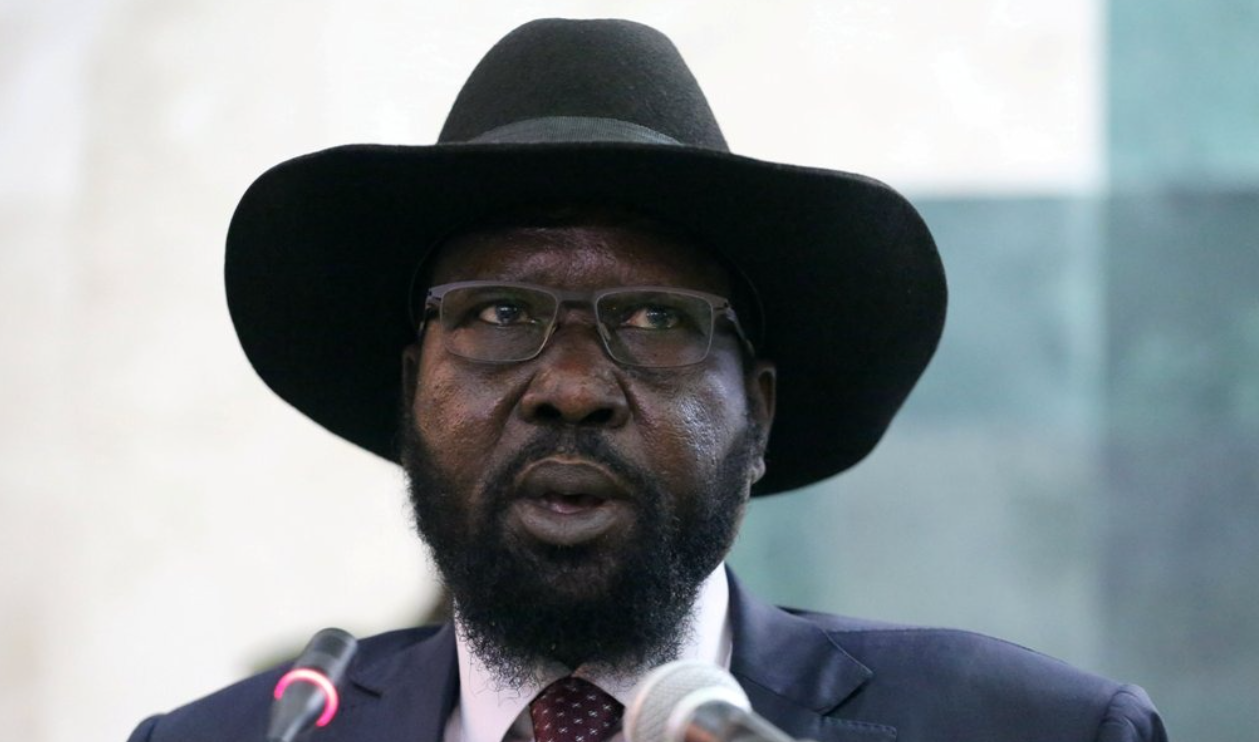
President Salva Kiir Mayardit has dissolved South Sudan’s power-sharing government and appointed caretaker administrations at the national and state levels, opening a new phase in the country’s transition toward elections amid opposition concerns over the pace of reforms and electoral preparedness.
JUBA, South Sudan — President Salva Kiir Mayardit has formally dissolved the Revitalized Transitional Government of National Unity (R-TGoNU), ending the power-sharing arrangement established under the 2018 Revitalized Peace Agreement and ushering in a caretaker administration ahead of national elections.
The move follows the adoption of amendments to the National Elections Act that removed requirements for the completion of a permanent constitution and a national census before elections can be conducted. Government officials say the amendments are intended to accelerate preparations for long-delayed polls.
In a presidential decree announced on state media, all vice presidents, ministers, deputy ministers, governors, and members of national and state legislatures appointed under the peace agreement were relieved of their duties. Caretaker officials have been assigned to oversee government operations during the electoral period.
Under the revised electoral framework, Salva Kiir Mayardit will remain in office until a newly elected president is sworn in. The judiciary, security sector institutions, and other key state organs will continue operating throughout the transition.
The dissolution marks the most significant restructuring of South Sudan’s political landscape since the signing of the 2018 peace agreement, which ended years of civil conflict and brought former rivals into a unity government.
While the agreement helped maintain a fragile peace, implementation of critical reforms has lagged behind schedule, contributing to repeated extensions of the transitional period and delays in organizing elections.
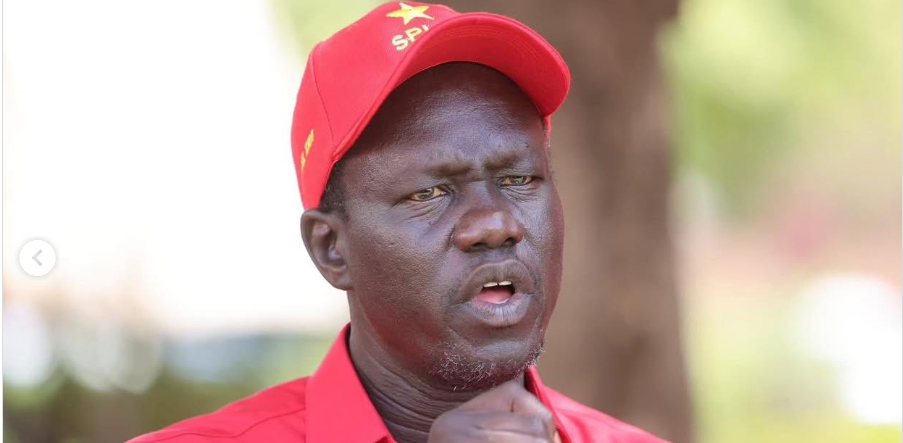
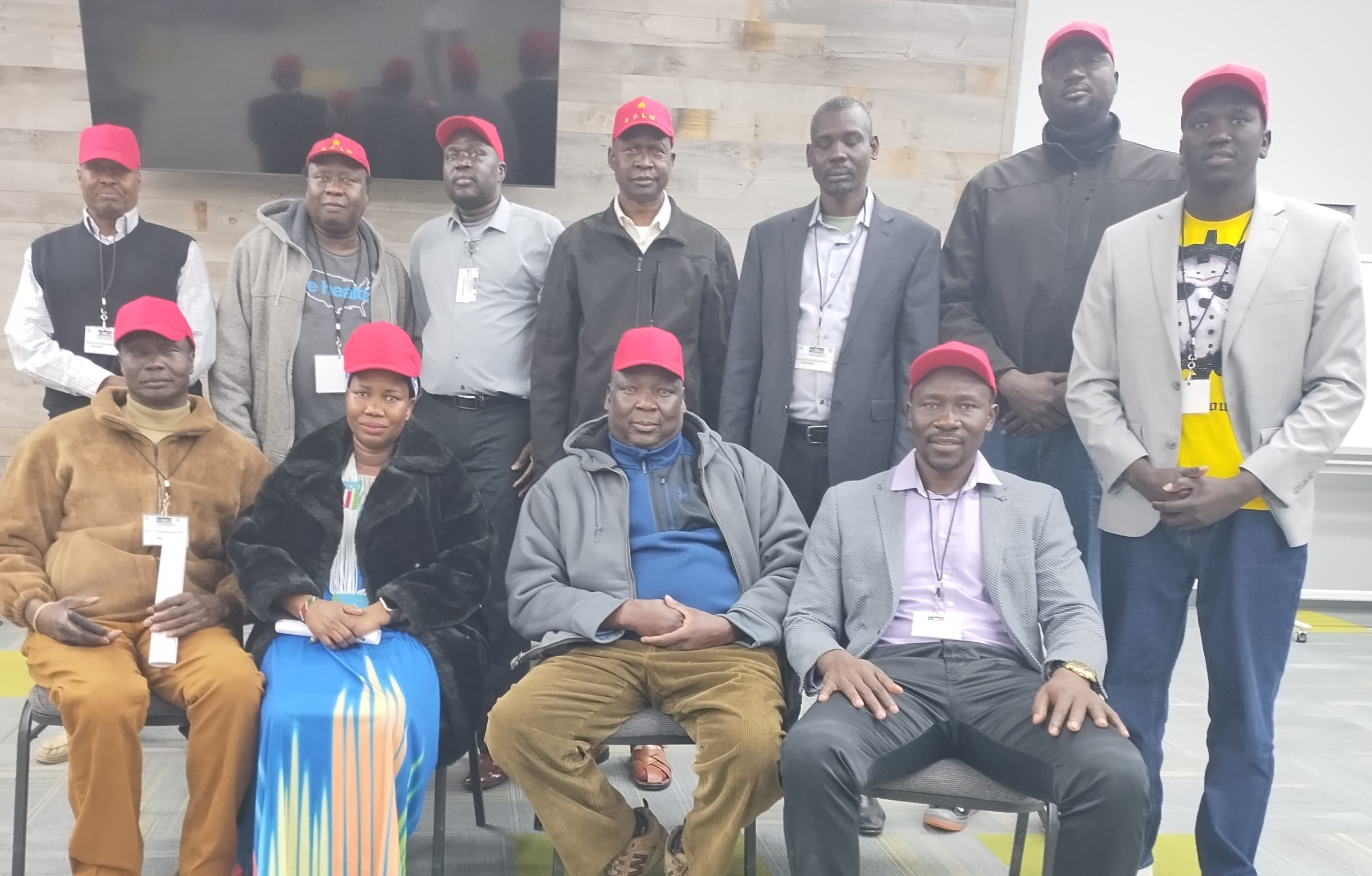
The Sudan People’s Liberation Movement-in-Opposition (SPLM-IO) and other opposition groups have criticized the dissolution and the accompanying legal amendments, arguing that major provisions of the peace agreement remain incomplete.
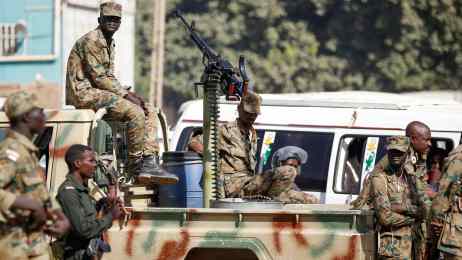
Opposition leaders point to delays in voter registration, the lack of a permanent constitution, incomplete security-sector reforms, and the slow integration of rival armed forces into a unified national army. They contend that these benchmarks were intended to create conditions for credible elections and should be completed before voting takes place.
The SPLM-IO has also questioned provisions allowing Salva Kiir Mayardit to remain in office throughout the election period while removing positions created under the transitional power-sharing arrangement. Opposition figures say broader consultation among signatories would strengthen confidence in the transition process.
Political tensions have been further heightened by the continued detention and trial of opposition leader Riek Machar, who previously served as First Vice President. Opposition representatives maintain that an inclusive political environment will be essential for elections to be accepted by all major stakeholders.
Government officials, meanwhile, have defended the dissolution as a constitutional step required under the amended electoral framework. Supporters of the move argue that it clears the way for South Sudan’s first electoral transfer of power since independence in 2011.
Political analysts caution that the credibility of the electoral process will depend not only on technical preparations but also on the willingness of competing political actors to maintain dialogue and avoid actions that could undermine the fragile peace achieved since 2018.
South Sudan now stands at a defining moment in its history. The dissolution of the unity government closes a chapter shaped by the 2018 peace agreement and places the country’s future squarely in the hands of the caretaker administration and the electoral process ahead. Whether the transition culminates in a peaceful and credible vote will test the resilience of national institutions, the commitment of political leaders to democratic competition, and the durability of a peace that remains fragile. For many South Sudanese, the true measure of success will not simply be the holding of elections, but whether they deliver stability, legitimacy, and a stronger foundation for democratic governance in the years ahead.