
October 8, 2026 – SOUTH SUDAN
For decades, South Sudan has struggled with conflict, displacement, and insecurity. Yet beyond political crises and armed confrontations lies another persistent threat: cattle raiding. In parts of Jonglei, Warrap, Lakes, Ruweng, and neighboring regions, cattle-related violence continues to disrupt livelihoods, divide communities, and undermine efforts to build lasting peace. Reports from UNMISS peacekeepers work with communities to combat deadly cattle raiding in Lakes and research published in Cattle Raiding in South Sudan: Between Pride and Shame document the continuing impact of these conflicts. unmiss.unm…ssions.org, protection…ilians.org
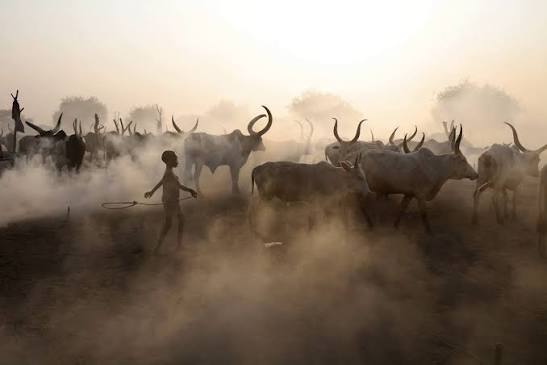
Cattle occupy a central place in South Sudanese social, cultural, and economic life. For many families, they represent livelihood, wealth, security, and identity. Livestock is deeply woven into customary practices and social relationships, making cattle ownership far more than an economic activity. protection…ilians.org
Researchers and peacebuilding organizations have linked cattle theft, grazing disputes, resource competition, and retaliatory attacks to recurring cycles of violence. Such disputes can erode trust between neighboring communities and deepen existing grievances, making peaceful coexistence harder to sustain. protection…ilians.org, docs.south…oforum.org
Studies discussed in Cattle Raiding in South Sudan: Between Pride and Shame and The Militarization of Cattle Raiding in South Sudan: How a Traditional Practice Became a Tool for Political Violence describe how cattle-related disputes can contribute to broader intercommunal tensions and insecurity. What begins as a local disagreement can expand into wider confrontations affecting multiple communities. protection…ilians.org, docs.south…oforum.org
The consequences often extend beyond the loss of livestock. Communities already facing economic and social hardship may experience disrupted livelihoods, restricted movement, weakened social cohesion, and prolonged instability. Cycles of retaliation frequently make reconciliation more difficult and can sustain conflict long after the initial incident. protection…ilians.org, docs.south…oforum.org
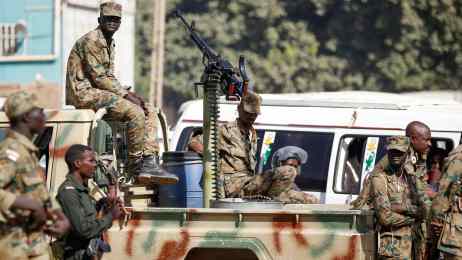
Research has also highlighted the role of firearms in escalating these conflicts. Findings presented in Cattle Raiding and Small Arms Control in South Sudan, National Small Arms Assessment in South Sudan, and Challenges to Small Arms and Light Weapons Control in South Sudan associate the widespread presence of small arms with more lethal communal violence and cattle-related conflict. saferworld…global.org, csrf-southsudan.org, csrf-southsudan.org
According to these studies, access to firearms can intensify livestock-related disputes, facilitate raids, and contribute to retaliatory violence. Researchers have also documented a trend in which some cattle raids have become increasingly militarized compared with traditional livestock theft.saferworld…global.or, docs.south…oforum.org
This reality raises an important question: Are current efforts sufficient to address the root causes of cattle-related violence, or are additional measures needed to support lasting peace and security? The persistence of these conflicts suggests that existing challenges remain unresolved.
Available research indicates that cattle-raiding violence is influenced by multiple factors rather than a single cause. These include the availability of firearms, local security challenges, competition over grazing land and water, and longstanding intercommunal grievances. Effective responses therefore require a combination of security, governance, and community-based approaches. protection…ilians.org, [docs.south…oforum.org], csrf-southsudan.org
South Sudan is not unique in its reliance on livestock production. What makes the situation particularly concerning is the way livestock disputes can intersect with insecurity and armed violence. Researchers and peacebuilding practitioners have emphasized the importance of reducing violence while strengthening peaceful mechanisms for resolving disputes. protection…ilians.org, unmiss.unm…ssions.org
In my view, responsibility for ending cattle-related violence cannot rest solely with civilians. Communities play a vital role in dialogue, peacebuilding, and reconciliation, but protecting citizens remains a fundamental responsibility of the state. Lasting solutions will require leadership, accountability, and sustained engagement at both national and local levels.
Traditional leaders, faith-based institutions, youth groups, women’s organizations, civil society actors, and development partners also have important roles to play. Strengthening local security institutions, supporting reconciliation efforts, reducing the circulation of illegal firearms, expanding opportunities for young people, and promoting peaceful dispute-resolution mechanisms could all contribute to a more stable future. These recommendations reflect themes commonly discussed in peacebuilding literature and are offered as policy proposals.
Research and peacebuilding reports identify cattle-related violence as an ongoing security concern in several parts of South Sudan. Yet beyond the research and policy debates are ordinary citizens who bear the consequences of insecurity every day. The people of Jonglei, Ruweng, Warrap, Lakes, and other affected areas deserve the opportunity to live free from fear, raise their families in safety, and pursue their livelihoods without the constant threat of violence. If South Sudan is to achieve lasting peace, addressing cattle-related conflict must become a national priority requiring commitment, cooperation, and sustained action from government institutions, community leaders, and citizens alike. unmiss.unm…ssions.org, protection…ilians.org, docs.south…oforum.org